
It is one of four things
A flooded yard always feels like one problem. Underneath, it is almost always one of these — and they need completely different work.
The soakwells are undersized
Nothing is broken. There is simply more roof and paving draining into the system than it was ever built to handle. This is the most common cause in Como by a wide margin.
They have silted up
Sand and roof grit have filled the chamber over years until there is no room left in it. The well is intact and does nothing.
They have collapsed
The chamber has failed structurally and can no longer take water away. Usually accompanied by sunken paving or a soft patch somewhere. Collapsed soakwell repair
The roof is not connected to them properly
A downpipe discharging onto the ground rather than into a run. A pipe that broke years ago and now empties under the lawn. A patio or extension roof that was never connected to anything at all. Stormwater drain repairs
They look identical standing in the yard looking at a puddle. Finding out which one you have is the first visit, and it costs nothing.
Why Como floods more than it should
The suburb's own history explains most of it.
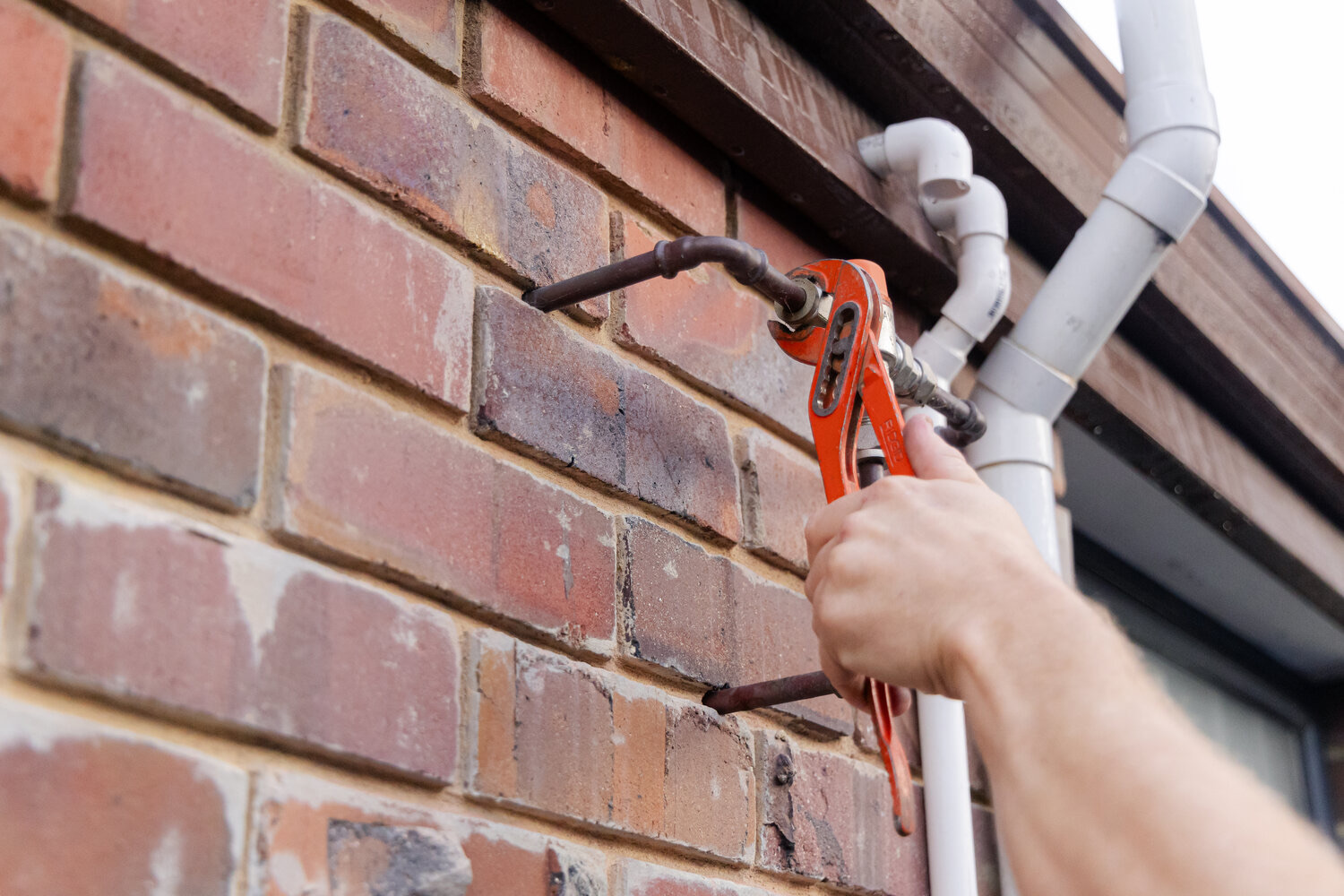
Como was subdivided in 1905 and its main building years ran through the 1950s and 1960s. Whatever drainage went in with those houses was sized for the houses as they were then — a modest roof, and a large area of open sandy garden around it that soaked up anything the system missed.
Then the blocks changed. At the last census only about a third of Como's occupied dwellings were separate houses. More than half were semi-detached homes, townhouses or villas, across 7,645 private dwellings in 6.7 square kilometres.
Every one of those subdivisions did the same two things at once:
Added impervious area. A second dwelling, a bigger footprint, a driveway, paving where lawn used to be. All of it sheds water instead of absorbing it.
Removed the soft ground that used to be the safety margin. The open garden that quietly soaked up the overflow is now built on or paved over.
More water arriving, less ground to take it, and in a great many cases the original soakwells still underneath doing the job they were sized for in 1960.
That is not a fault you can see. Nothing is broken and nothing looks wrong — right up until a proper winter downpour arrives and the system fills in minutes.
The number that makes it concrete
The City of South Perth requires all stormwater falling on a site to be collected, contained and disposed of on that site, whatever the intensity or duration of the storm. Water is not allowed to run onto the road, the verge or a neighbour's block.
For minor additions with no existing private drainage connection, the required volume is at least 0.02 cubic metres of soakwell for every square metre of impervious area drained. A 100 square metre roof needs two cubic metres or more underneath it.
That figure is useful well beyond the situations it formally covers, because it turns "your soakwells are probably too small" into an actual calculation. Add up what drains to a point, compare it with what is down there, and you have an answer rather than an opinion.
A lot of older Como systems are not close. Some are carrying twice the roof they were built for.
Where the ground makes it worse
Como runs between the Swan River to the north and the Canning River to the south, and the lower parts of the suburb nearer either foreshore sit on ground with a higher water table.
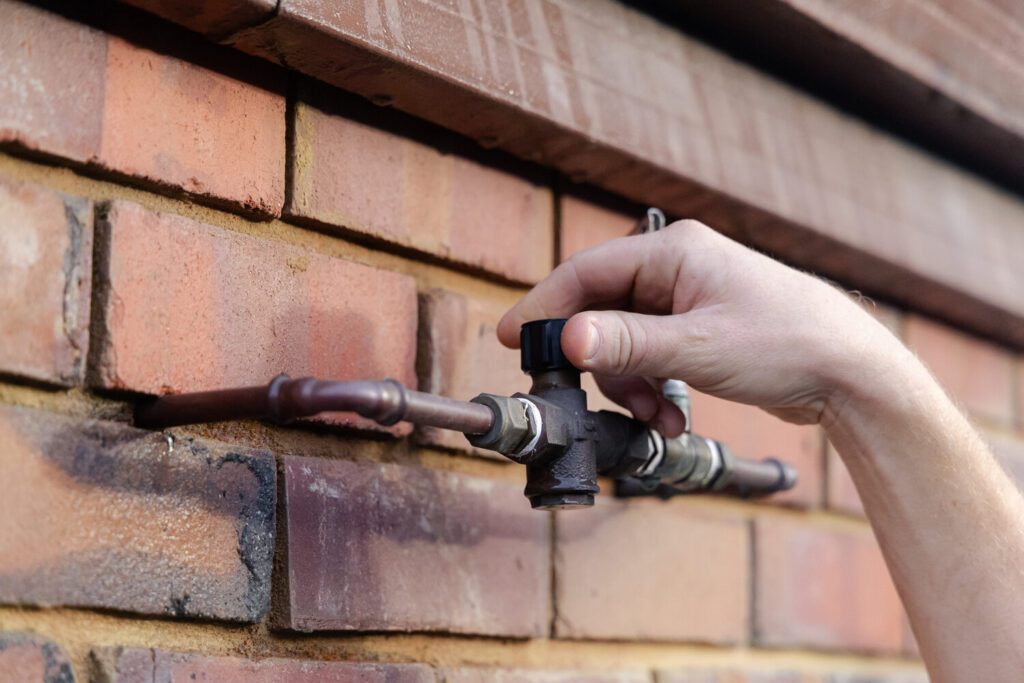
A soakwell works by letting water pass into the sand around it. If that sand is already holding water — as it is on low ground through a wet Perth winter — the well empties slowly, or barely at all. It performs perfectly in February and struggles in July.
That matters for the fix, because the obvious answer of digging deeper can make things worse on low ground by putting the chamber into permanently wet sand. Where the ground will not take water quickly, capacity is what carries you through a wet week.
What we do about it
Work out which of the four causes it is
Not from the surface, and not by guessing. That is the point of the free first visit.
Do the arithmetic
How much roof and paving actually drains to each point, and what volume that requires.
Tell you plainly which job you need
If it is a clean-out, we will say so and it will be much cheaper than a replacement. If it is a capacity problem, no amount of clearing will fix it and we will tell you that instead. Soakwell replacement
Give you the price in writing before anything starts
Transparent pricing, no hidden costs.
What we will not ask you to do
We will not send you out in the rain to watch where the water goes, lift a soakwell lid, dig a test hole or trace your own downpipes. Finding that out is the job you are paying for.
All we need on the phone is where the water collects, whether it only happens after rain, and whether anything has been built, paved or subdivided on the block.
Get it sorted before winter
The best time to fix drainage is before the rain that exposes it. Tell us what is happening and we will call you back to arrange a time.
A licensed plumber comes out at no charge and leaves you with a written price. Monday to Friday, 7:00am to 4:00pm.